
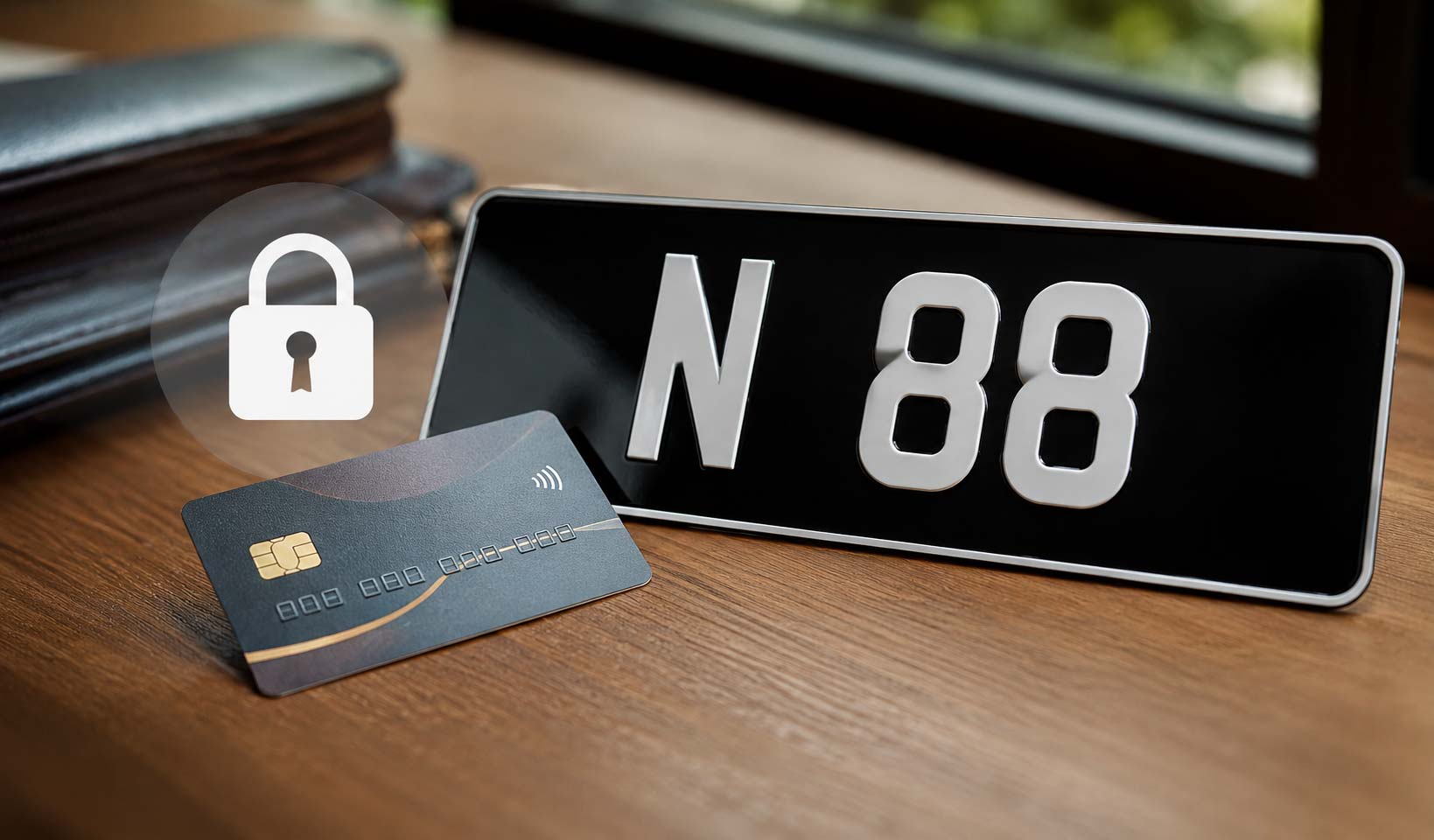
JPJeBid Deposit Rules 2026: How Pre-Authorisation and Refunds Actually Work
Quick answer: JPJeBid deposit rules 2026 don’t actually involve a traditional deposit, even though that’s the word most bidders use. When you place a bid, the amount goes through a pre-authorization on your card rather than an upfront payment. Win, and that amount is deducted as the final charge. Lose, and it’s settled back to you — but the official window is 7 to 30 working days, not instant. On top of that, every bid carries a flat RM10 service fee per registration number, and that part never comes back regardless of the outcome.
That’s the short version. Here’s how the money actually moves at each stage, and why the waiting period trips up so many first-time bidders.
What Are the JPJeBid Deposit Rules 2026, Really?
The word “deposit” gets used loosely whenever people talk about online bidding, but it doesn’t quite describe how JPJeBid works. Under the current JPJeBid deposit rules 2026, you don’t pay a separate deposit just to join an auction. Instead, the platform checks and reserves the required amount on your eligible card the moment you place a bid.
That reservation isn’t automatically treated as a completed payment — it’s a hold, not a transaction. This is exactly why some bidders see their available card balance drop before they even know whether they’ve won anything, which understandably causes a bit of panic the first time it happens. If you’re still getting familiar with how the auction itself works, our JPJeBid bidding guide covers registration and the mechanics from the start.
JPJeBid Pre-Authorization: What’s Actually Happening to Your Card
A JPJeBid pre-authorization exists to confirm your card can support the bid you’re placing — it’s a verification step, not a final charge. When you submit a bid, that amount gets processed through your card as a hold. If you raise your offer later in the same auction, the system updates the pre-authorization to reflect your new amount.
The confusing part is that a pre-authorization looks a lot like a real charge on your statement, even though nothing has been finalized yet. Checking your balance right after bidding and seeing it reduced doesn’t mean you’ve won — it just means the system has reserved the funds while the auction plays out. If the last-minute price jumps during an auction catch you off guard, our piece on JPJeBid bidding psychology explains why that scramble happens and how bid increments accelerate near closing time.
If You Lose: What Happens to Your Money
This is probably the single most common worry behind searches for JPJeBid refund Malaysia, and it’s a fair one. If your bid doesn’t win, the amount isn’t kept — it gets settled back through your card issuer rather than staying with JPJ. According to JPJ’s own published information, that settlement can take anywhere from 7 to 30 working days, depending entirely on how your particular bank processes it.
So if you lose an auction and the funds don’t reappear the next day, that’s not necessarily a sign anything’s gone wrong. Two bidders on the same auction, using different banks, can genuinely see their balance restored at noticeably different speeds — one might clear within a week, another might sit closer to the full month.
JPJeBid Refund Malaysia: Realistic Timelines to Expect
Under JPJeBid refund Malaysia processing, the official window is 7 to 30 working days for an unsuccessful bid to settle back to your card. It’s worth building that range into your expectations from the start rather than assuming a quick turnaround, since the actual speed is entirely down to your card issuer’s own internal processing — not something JPJ controls directly.
If the stated window has fully passed and you still don’t see the funds reflected, the right move is to follow up with your card issuer directly, keeping your JPJeBid transaction details on hand for reference. For the official terms straight from JPJ, their JPJeBid FAQ page lays out the payment and settlement rules in more detail.
The RM10 Service Fee: A Separate Cost Worth Remembering
Beyond the bid amount itself, every registration number you bid on carries a flat RM10 service fee. This is a completely separate charge from your bid — think of it as the cost of participating in that specific auction, not part of the number’s price.
Crucially, this fee is non-refundable whether you win or lose. If you’re bidding on several different plates at once, that RM10 applies per number, so three separate bids means three separate RM10 charges. Keeping this distinction clear in your head — bid amount versus service fee — avoids confusion when you’re reviewing your card statement afterward.
What Happens the Moment You Win
Winning changes the entire payment picture. Your winning bid amount is deducted from your card as the final charge — there’s no additional confirmation step needed, and the JPJeBid pre-authorization simply converts into that payment. The RM10 service fee stays non-refundable regardless, same as if you’d lost.
From there, the clock on registration starts, and it’s worth planning your next steps early — our first-time JPJeBid checklist walks through what to prepare before and after you win, so nothing catches you off guard once the number is yours.
A Simple Walkthrough of the Numbers
Say you place a bid of RM5,000 on a registration number. The system processes that through pre-authorization, and you’re also charged the RM10 service fee straight away.
If you win: the RM5,000 is deducted from your card as the final payment. The RM10 stays non-refundable.
If you lose: the RM5,000 is settled back through your card issuer, typically within 7 to 30 working days. The RM10 still isn’t refunded.
Seeing it laid out this way makes it clearer why the bid amount and the service fee shouldn’t be treated as the same type of payment — one comes back if you lose, the other never does.
Which Cards Actually Work
One detail that trips up a fair number of bidders: JPJeBid only accepts Malaysia-issued credit and debit cards. Having a Visa or Mastercard isn’t enough on its own — what matters is which country issued the card. If you’ve been living overseas and try to bid using a foreign-issued card, don’t assume it’ll simply work because the network logo matches. It’s worth double-checking your card’s issuing country before you get invested in an auction, since discovering this mid-bid is a frustrating way to lose out on a plate you actually wanted.
What to Check Before You Place a Bid
A short checklist worth running through before you start bidding seriously:
- Confirm your card is Malaysia-issued and accepted by the JPJeBid system.
- Make sure you have enough available balance to cover the pre-authorization for your intended bid.
- Budget for the RM10 service fee per registration number, separate from your bid.
- Don’t expect instant refunds if you lose — plan around the 7 to 30 working day window instead.
- Save your transaction records in case you need to follow up with your card issuer later.
Final Word on JPJeBid Deposit Rules 2026
The easiest way to make sense of JPJeBid deposit rules 2026 is to stop picturing a traditional refundable deposit and think of it instead as a card pre-authorization tied to each bid you place. Win, and that amount becomes your payment. Lose, and it’s released back to you — just not instantly, and the JPJeBid refund Malaysia window of 7 to 30 working days is worth planning around rather than being surprised by. Add the non-refundable RM10 per number into your budget, use an eligible Malaysian card, and the payment side of bidding stops being the confusing part of the whole process.



JPJeBid Deposit Rules 2026: How Pre-Authorisation and Refunds Actually Work
Quick answer: JPJeBid deposit rules 2026 don’t actually involve a traditional deposit, even though that’s the word most bidders use. When you place a bid, the amount goes through a pre-authorization on your card rather than an upfront payment. Win, and that amount is deducted as the final charge. Lose, and it’s settled back to you — but the official window is 7 to 30 working days, not instant. On top of that, every bid carries a flat RM10 service fee per registration number, and that part never comes back regardless of the outcome.
That’s the short version. Here’s how the money actually moves at each stage, and why the waiting period trips up so many first-time bidders.
What Are the JPJeBid Deposit Rules 2026, Really?
The word “deposit” gets used loosely whenever people talk about online bidding, but it doesn’t quite describe how JPJeBid works. Under the current JPJeBid deposit rules 2026, you don’t pay a separate deposit just to join an auction. Instead, the platform checks and reserves the required amount on your eligible card the moment you place a bid.
That reservation isn’t automatically treated as a completed payment — it’s a hold, not a transaction. This is exactly why some bidders see their available card balance drop before they even know whether they’ve won anything, which understandably causes a bit of panic the first time it happens. If you’re still getting familiar with how the auction itself works, our JPJeBid bidding guide covers registration and the mechanics from the start.
JPJeBid Pre-Authorization: What’s Actually Happening to Your Card
A JPJeBid pre-authorization exists to confirm your card can support the bid you’re placing — it’s a verification step, not a final charge. When you submit a bid, that amount gets processed through your card as a hold. If you raise your offer later in the same auction, the system updates the pre-authorization to reflect your new amount.
The confusing part is that a pre-authorization looks a lot like a real charge on your statement, even though nothing has been finalized yet. Checking your balance right after bidding and seeing it reduced doesn’t mean you’ve won — it just means the system has reserved the funds while the auction plays out. If the last-minute price jumps during an auction catch you off guard, our piece on JPJeBid bidding psychology explains why that scramble happens and how bid increments accelerate near closing time.
If You Lose: What Happens to Your Money
This is probably the single most common worry behind searches for JPJeBid refund Malaysia, and it’s a fair one. If your bid doesn’t win, the amount isn’t kept — it gets settled back through your card issuer rather than staying with JPJ. According to JPJ’s own published information, that settlement can take anywhere from 7 to 30 working days, depending entirely on how your particular bank processes it.
So if you lose an auction and the funds don’t reappear the next day, that’s not necessarily a sign anything’s gone wrong. Two bidders on the same auction, using different banks, can genuinely see their balance restored at noticeably different speeds — one might clear within a week, another might sit closer to the full month.
JPJeBid Refund Malaysia: Realistic Timelines to Expect
Under JPJeBid refund Malaysia processing, the official window is 7 to 30 working days for an unsuccessful bid to settle back to your card. It’s worth building that range into your expectations from the start rather than assuming a quick turnaround, since the actual speed is entirely down to your card issuer’s own internal processing — not something JPJ controls directly.
If the stated window has fully passed and you still don’t see the funds reflected, the right move is to follow up with your card issuer directly, keeping your JPJeBid transaction details on hand for reference. For the official terms straight from JPJ, their JPJeBid FAQ page lays out the payment and settlement rules in more detail.
The RM10 Service Fee: A Separate Cost Worth Remembering
Beyond the bid amount itself, every registration number you bid on carries a flat RM10 service fee. This is a completely separate charge from your bid — think of it as the cost of participating in that specific auction, not part of the number’s price.
Crucially, this fee is non-refundable whether you win or lose. If you’re bidding on several different plates at once, that RM10 applies per number, so three separate bids means three separate RM10 charges. Keeping this distinction clear in your head — bid amount versus service fee — avoids confusion when you’re reviewing your card statement afterward.
What Happens the Moment You Win
Winning changes the entire payment picture. Your winning bid amount is deducted from your card as the final charge — there’s no additional confirmation step needed, and the JPJeBid pre-authorization simply converts into that payment. The RM10 service fee stays non-refundable regardless, same as if you’d lost.
From there, the clock on registration starts, and it’s worth planning your next steps early — our first-time JPJeBid checklist walks through what to prepare before and after you win, so nothing catches you off guard once the number is yours.
A Simple Walkthrough of the Numbers
Say you place a bid of RM5,000 on a registration number. The system processes that through pre-authorization, and you’re also charged the RM10 service fee straight away.
If you win: the RM5,000 is deducted from your card as the final payment. The RM10 stays non-refundable.
If you lose: the RM5,000 is settled back through your card issuer, typically within 7 to 30 working days. The RM10 still isn’t refunded.
Seeing it laid out this way makes it clearer why the bid amount and the service fee shouldn’t be treated as the same type of payment — one comes back if you lose, the other never does.
Which Cards Actually Work
One detail that trips up a fair number of bidders: JPJeBid only accepts Malaysia-issued credit and debit cards. Having a Visa or Mastercard isn’t enough on its own — what matters is which country issued the card. If you’ve been living overseas and try to bid using a foreign-issued card, don’t assume it’ll simply work because the network logo matches. It’s worth double-checking your card’s issuing country before you get invested in an auction, since discovering this mid-bid is a frustrating way to lose out on a plate you actually wanted.
What to Check Before You Place a Bid
A short checklist worth running through before you start bidding seriously:
- Confirm your card is Malaysia-issued and accepted by the JPJeBid system.
- Make sure you have enough available balance to cover the pre-authorization for your intended bid.
- Budget for the RM10 service fee per registration number, separate from your bid.
- Don’t expect instant refunds if you lose — plan around the 7 to 30 working day window instead.
- Save your transaction records in case you need to follow up with your card issuer later.
Final Word on JPJeBid Deposit Rules 2026
The easiest way to make sense of JPJeBid deposit rules 2026 is to stop picturing a traditional refundable deposit and think of it instead as a card pre-authorization tied to each bid you place. Win, and that amount becomes your payment. Lose, and it’s released back to you — just not instantly, and the JPJeBid refund Malaysia window of 7 to 30 working days is worth planning around rather than being surprised by. Add the non-refundable RM10 per number into your budget, use an eligible Malaysian card, and the payment side of bidding stops being the confusing part of the whole process.