

5 Red Flags That Mean the Number Plate You’re Buying Is Stolen or Fake
The short answer: if the seller can’t show you a clean JPJ ownership record, walk away. No exceptions.
Malaysia’s number plate market is worth millions of ringgit — and wherever there’s serious money, there are people looking to take shortcuts. Buying a fake stolen number plate Malaysia without knowing it doesn’t just cost you the money you paid. It can get your vehicle impounded, land you in legal trouble, and leave you with zero recourse because the “seller” has already disappeared.
This guide tells you exactly what to look for before handing over a single ringgit.
5 Red Flags You Should Never Ignore
Red Flag 1: The Seller Can’t Produce a JPJ Ownership Document
A legitimate number plate sale in Malaysia always comes with a paper trail. The registered owner should be able to show you the vehicle registration certificate (geran) or a JPJ-verified transfer document that clearly matches their identity.
If the seller hesitates, says the documents are “in process,” or offers you a photocopy without an original — that’s a problem. A genuine seller has nothing to hide. Anyone selling a fake stolen number plate Malaysia will almost always stall on documentation because the paper trail simply doesn’t exist or doesn’t match.
Red Flag 2: The Price Is Dramatically Below Market Value
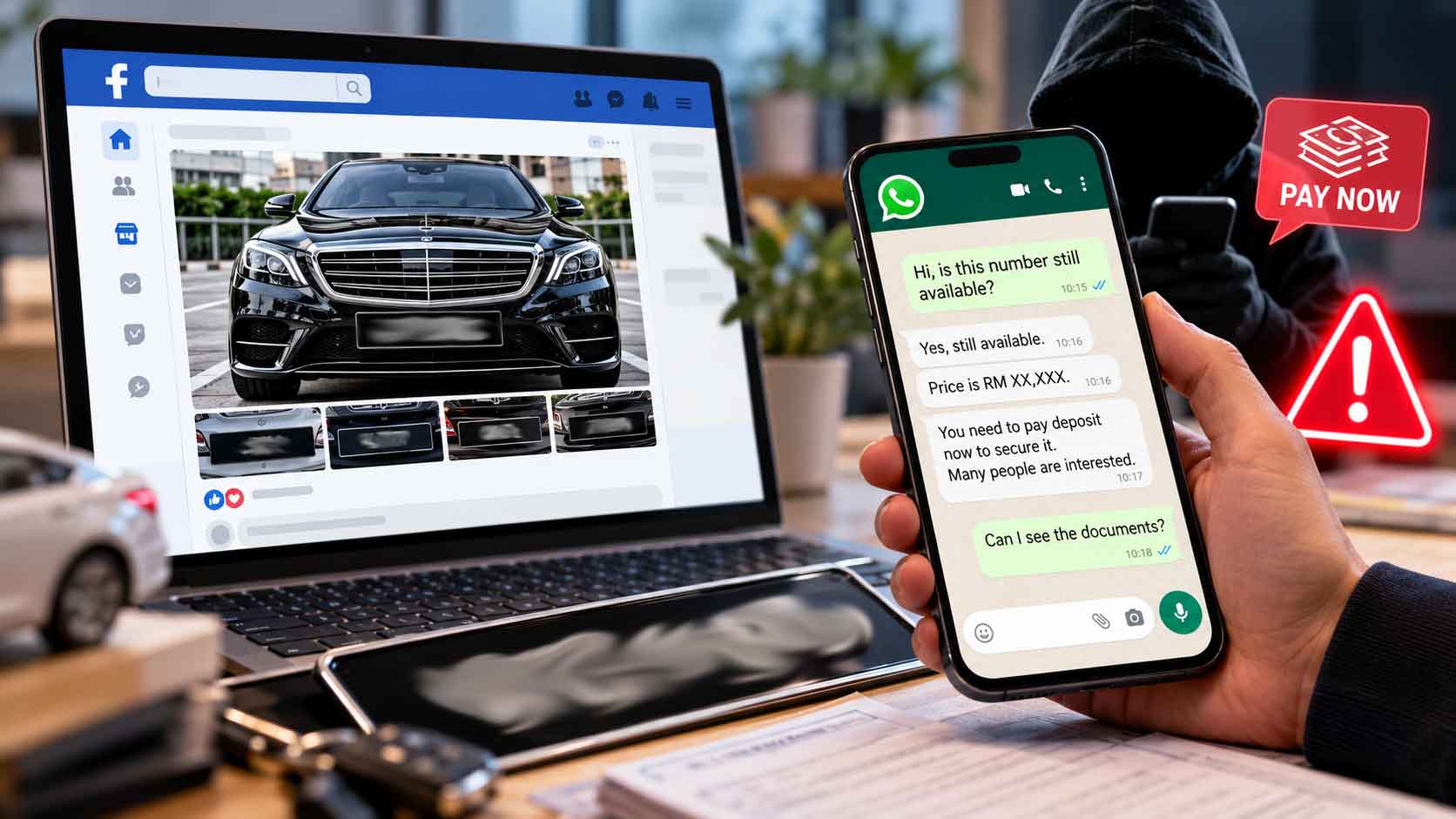
If a number plate that typically fetches RM15,000 at auction is being offered to you for RM4,000 “because the seller needs cash fast” — pause. Urgency and steep discounts are two of the most reliable warning signs in any second-hand market, and number plates are no different.
Sellers of stolen or fake plates need to move quickly. They price low to attract buyers who won’t ask too many questions. Before you get excited about a bargain, ask yourself why this plate is so cheap and whether the answer actually makes sense.
Red Flag 3: The Seller Avoids Meeting at JPJ or Refuses Official Transfer
Every legitimate number plate transaction in Malaysia goes through JPJ for ownership transfer. The process requires both buyer and seller to be present for biometric verification in person — there are no shortcuts around this requirement.
If a seller insists on meeting “somewhere convenient,” refuses to accompany you to a JPJ branch, or proposes handling the transfer through a third party you’ve never met, treat it as a serious red flag. Anyone genuinely selling a plate has every reason to complete the transfer officially. Anyone selling a fake stolen number plate Malaysia has every reason to avoid JPJ entirely.
Red Flag 4: The Plate Number Doesn’t Match Any Active Vehicle Record
Before committing to a purchase, run the plate number through an official channel. A legitimate plate should return a clear, active record showing the current registered owner. If the record comes back blank, shows a mismatched owner, or flags the vehicle as written off or reported stolen — you have your answer.
This is one of the most important steps to how to verify number plate Malaysia before money changes hands, and it takes less than five minutes to do.
Red Flag 5: The Seller Pushes You to Skip the Agent or Lawyer
Reputable number plate transactions in Malaysia, especially for VIP or high-value plates, typically involve a licensed agent or at minimum a signed sale agreement. A seller who actively discourages you from involving any third party — “no need for agent, waste of money” — is usually trying to limit the paper trail.
Legitimate sellers don’t mind scrutiny. Sellers with something to hide want the deal done fast, quietly, and without witnesses.
JPJ Number Plate Check Malaysia: How to Verify Before You Buy
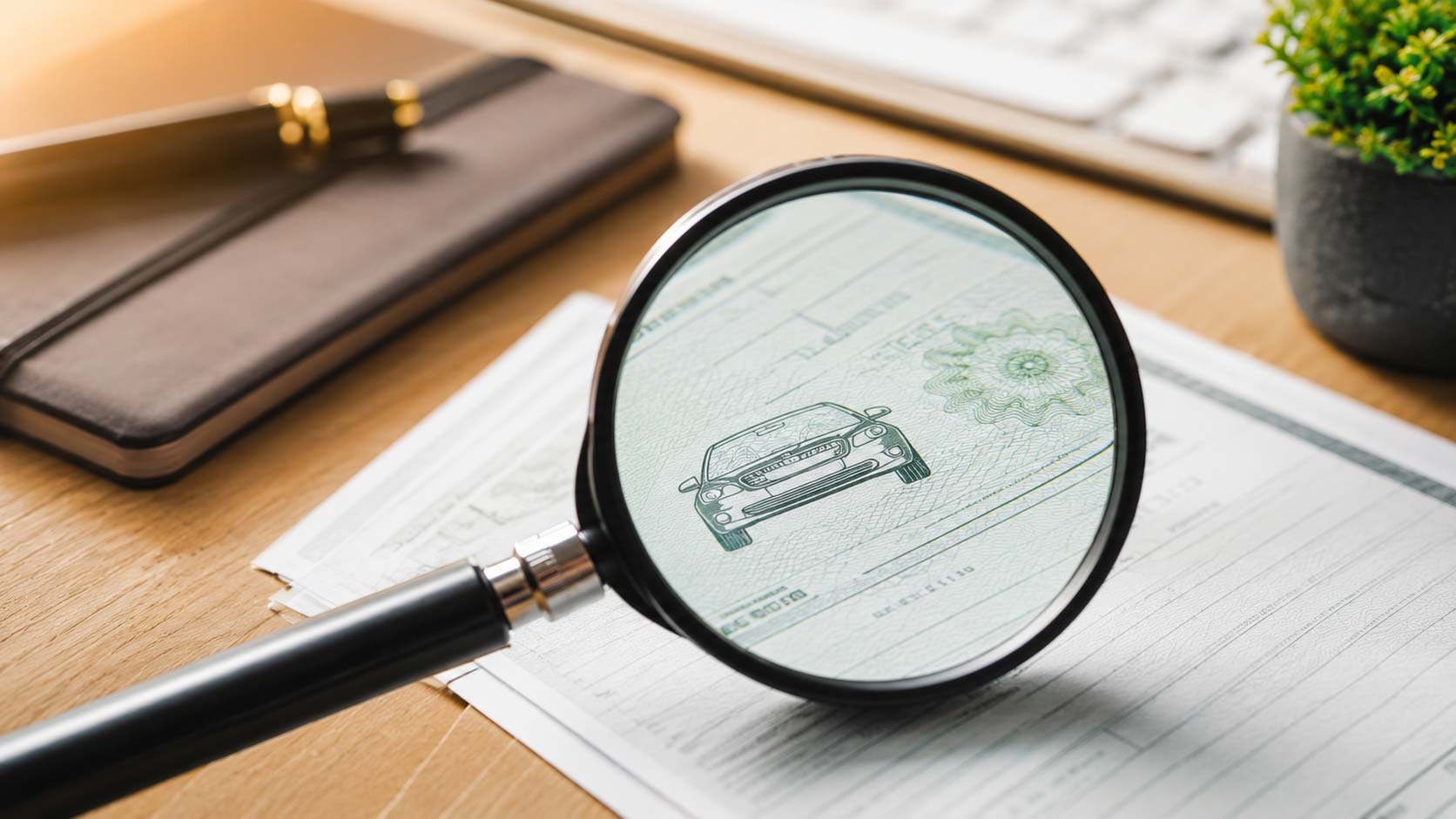
Knowing the red flags is only useful if you act on them. Here’s how to do a proper JPJ number plate check Malaysia before any money moves:
How to Verify Number Plate Malaysia: What Legitimate Sellers Always Do
When you’re dealing with a genuine seller, the process feels straightforward. They provide documents without being asked twice, they’re comfortable meeting at JPJ, and they don’t pressure you to decide before you’re ready.
Understanding how to verify number plate Malaysia comes down to one principle: everything should be traceable. Every legitimate plate has a registered owner on record, a documented transfer history, and a paper trail that holds up to scrutiny. The moment any of those elements goes missing, so should you — before your money does.
If you’re buying your first high-value plate and feel unsure about the process, it’s worth reading up on buying your first VIP plate and the common mistakes first-time buyers make. For understanding how the actual transfer works once you’ve confirmed a legitimate sale, the number plate transfer process covers the full step-by-step in plain language.
Final Word
A fake stolen number plate Malaysia transaction rarely looks obviously wrong at first glance — that’s precisely what makes it dangerous. The red flags are there, but only if you’re looking for them before the deal closes, not after.
Check the documents. Run the plate. Meet at JPJ. And if anything feels off — even something you can’t quite put into words — trust that instinct. A good plate will still be available when you’ve done your homework. A scammer’s window closes the moment you start asking the right questions.
For a broader picture of how used plate scams work and what else to watch out for, the guide on how to avoid used car plate scams covers several other scenarios worth knowing before you buy.
5 Red Flags That Mean the Number Plate You’re Buying Is Stolen or Fake
The short answer: if the seller can’t show you a clean JPJ ownership record, walk away. No exceptions.
Malaysia’s number plate market is worth millions of ringgit — and wherever there’s serious money, there are people looking to take shortcuts. Buying a fake stolen number plate Malaysia without knowing it doesn’t just cost you the money you paid. It can get your vehicle impounded, land you in legal trouble, and leave you with zero recourse because the “seller” has already disappeared.
This guide tells you exactly what to look for before handing over a single ringgit.
5 Red Flags You Should Never Ignore
Red Flag 1: The Seller Can’t Produce a JPJ Ownership Document
A legitimate number plate sale in Malaysia always comes with a paper trail. The registered owner should be able to show you the vehicle registration certificate (geran) or a JPJ-verified transfer document that clearly matches their identity.
If the seller hesitates, says the documents are “in process,” or offers you a photocopy without an original — that’s a problem. A genuine seller has nothing to hide. Anyone selling a fake stolen number plate Malaysia will almost always stall on documentation because the paper trail simply doesn’t exist or doesn’t match.
Red Flag 2: The Price Is Dramatically Below Market Value
If a number plate that typically fetches RM15,000 at auction is being offered to you for RM4,000 “because the seller needs cash fast” — pause. Urgency and steep discounts are two of the most reliable warning signs in any second-hand market, and number plates are no different.
Sellers of stolen or fake plates need to move quickly. They price low to attract buyers who won’t ask too many questions. Before you get excited about a bargain, ask yourself why this plate is so cheap and whether the answer actually makes sense.
Red Flag 3: The Seller Avoids Meeting at JPJ or Refuses Official Transfer
Every legitimate number plate transaction in Malaysia goes through JPJ for ownership transfer. The process requires both buyer and seller to be present for biometric verification in person — there are no shortcuts around this requirement.
If a seller insists on meeting “somewhere convenient,” refuses to accompany you to a JPJ branch, or proposes handling the transfer through a third party you’ve never met, treat it as a serious red flag. Anyone genuinely selling a plate has every reason to complete the transfer officially. Anyone selling a fake stolen number plate Malaysia has every reason to avoid JPJ entirely.
Red Flag 4: The Plate Number Doesn’t Match Any Active Vehicle Record
Before committing to a purchase, run the plate number through an official channel. A legitimate plate should return a clear, active record showing the current registered owner. If the record comes back blank, shows a mismatched owner, or flags the vehicle as written off or reported stolen — you have your answer.
This is one of the most important steps to how to verify number plate Malaysia before money changes hands, and it takes less than five minutes to do.
Red Flag 5: The Seller Pushes You to Skip the Agent or Lawyer
Reputable number plate transactions in Malaysia, especially for VIP or high-value plates, typically involve a licensed agent or at minimum a signed sale agreement. A seller who actively discourages you from involving any third party — “no need for agent, waste of money” — is usually trying to limit the paper trail.
Legitimate sellers don’t mind scrutiny. Sellers with something to hide want the deal done fast, quietly, and without witnesses.
JPJ Number Plate Check Malaysia: How to Verify Before You Buy
Knowing the red flags is only useful if you act on them. Here’s how to do a proper JPJ number plate check Malaysia before any money moves:
How to Verify Number Plate Malaysia: What Legitimate Sellers Always Do
When you’re dealing with a genuine seller, the process feels straightforward. They provide documents without being asked twice, they’re comfortable meeting at JPJ, and they don’t pressure you to decide before you’re ready.
Understanding how to verify number plate Malaysia comes down to one principle: everything should be traceable. Every legitimate plate has a registered owner on record, a documented transfer history, and a paper trail that holds up to scrutiny. The moment any of those elements goes missing, so should you — before your money does.
If you’re buying your first high-value plate and feel unsure about the process, it’s worth reading up on buying your first VIP plate and the common mistakes first-time buyers make. For understanding how the actual transfer works once you’ve confirmed a legitimate sale, the number plate transfer process covers the full step-by-step in plain language.
Final Word
A fake stolen number plate Malaysia transaction rarely looks obviously wrong at first glance — that’s precisely what makes it dangerous. The red flags are there, but only if you’re looking for them before the deal closes, not after.
Check the documents. Run the plate. Meet at JPJ. And if anything feels off — even something you can’t quite put into words — trust that instinct. A good plate will still be available when you’ve done your homework. A scammer’s window closes the moment you start asking the right questions.
For a broader picture of how used plate scams work and what else to watch out for, the guide on how to avoid used car plate scams covers several other scenarios worth knowing before you buy.