
Kedah “K” Plate: 5 Amazing Facts Behind Malaysia’s Rice Bowl Prefix (2026)
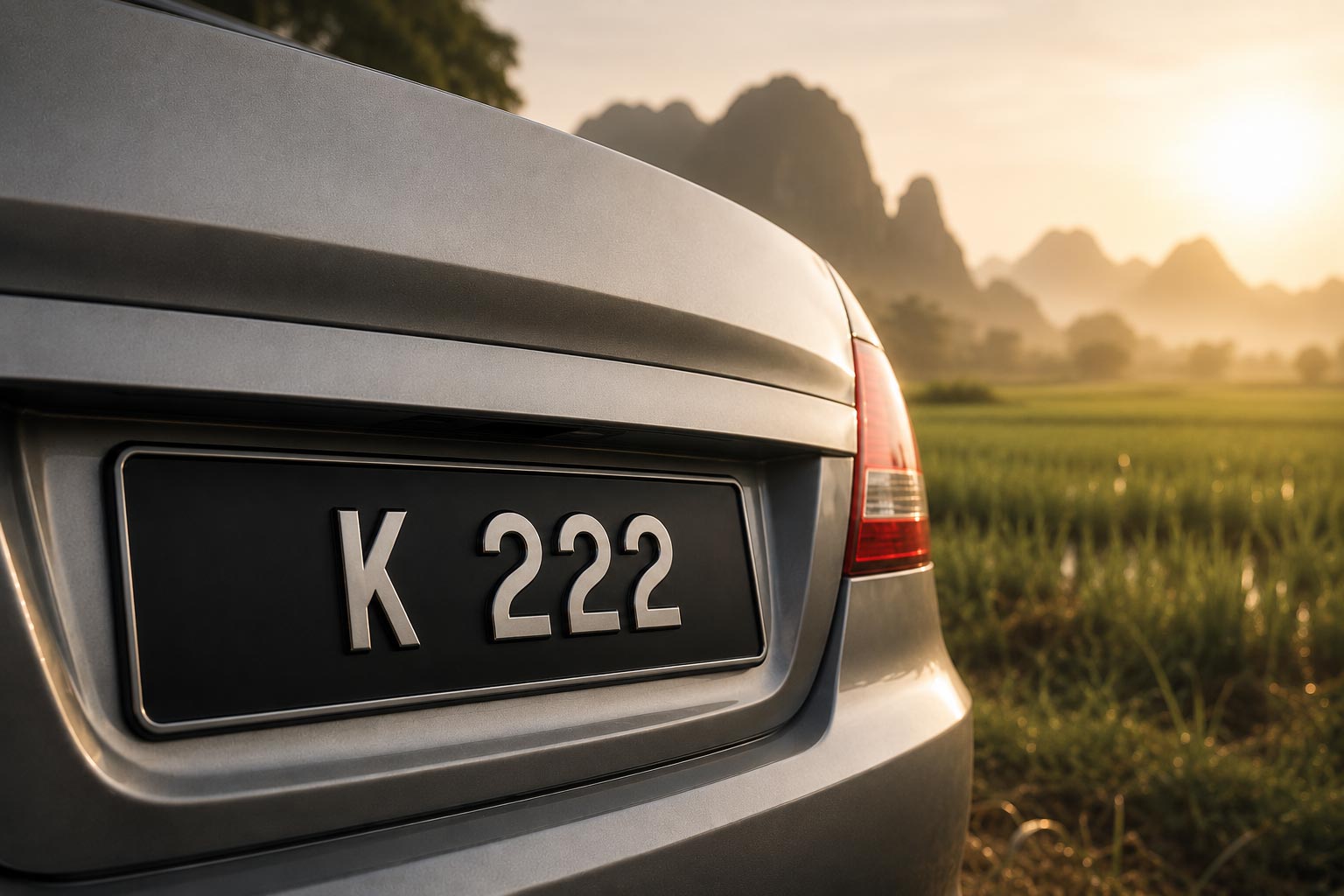
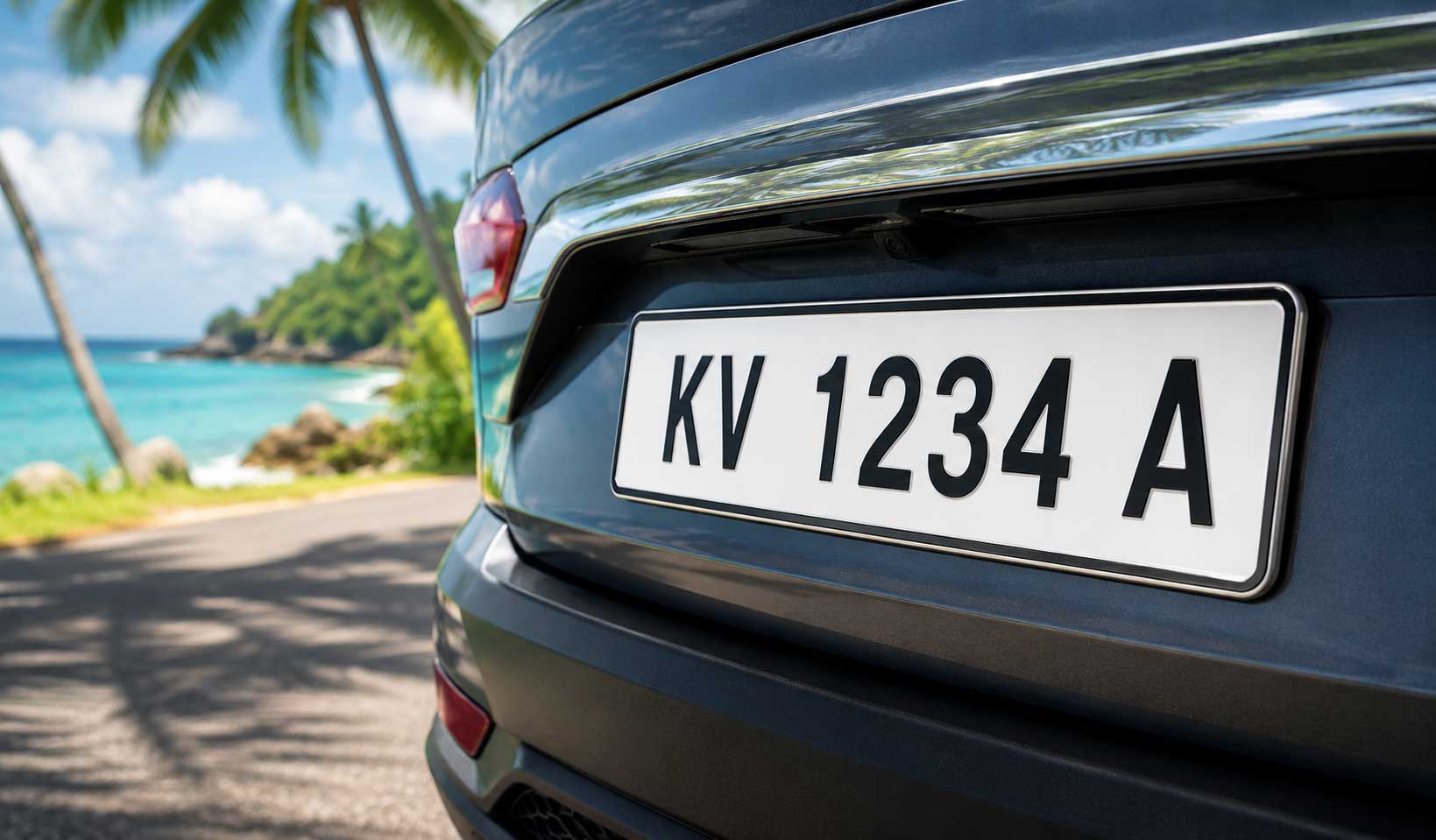
Here’s the short version: the Kedah K plate carries an identity that’s less about urban prestige and more about something far more fundamental — food security. Kedah is widely known as Malaysia’s “rice bowl,” producing a significant share of the country’s domestic rice supply through the MADA (Muda Agricultural Development Authority) irrigation scheme, one of the largest and most important paddy irrigation systems in the country. That agricultural backbone shapes how Kedah’s own residents see their state, and by extension, how they feel about a plate that represents it.
Below, we look at what makes the K plate distinct from its more urban-centric counterparts, why its value story looks different, and whether it’s worth a serious look if you’re building out a state prefix collection.
Kedah K Plate History and Value: Rooted in the Land, Not the City
Every state prefix in Malaysia follows the same JPJ registration format, and Kedah’s K is no different structurally. What makes it distinct is the identity behind the letter. Unlike prefixes tied to financial centres or capital cities, Kedah’s reputation is built on agriculture — the state is home to vast paddy fields irrigated by the MADA scheme, which has supported rice farming across the Kedah plains for decades and remains central to the state’s economy and cultural identity.
This agricultural identity means the Kedah K plate doesn’t carry the same “status symbol” weight that prefixes tied to urban wealth often do. Instead, it tends to resonate more with Kedah natives and those who value the state’s role in national food production — a quieter, more grounded kind of pride than the flashier prefixes typically inspire.
K Plate Malaysia: Where It Stands Compared to Other Prefixes
When people research K plate Malaysia pricing, the comparison inevitably lands next to more headline-grabbing prefixes like Selangor’s B or KL’s W, and by that measure, K plates generally sit at a more modest price point. A few things shape that dynamic:
Demand driven by identity, not speculation.
Much like other regionally-rooted prefixes, K plates tend to attract buyers who genuinely want a plate that reflects home, rather than short-term investors chasing resale margins — which typically means steadier, less volatile pricing.
Lower competition at auction.
Because K plates haven’t historically attracted the same bidding intensity as flashier prefixes, collectors sometimes find reasonably priced rare combinations that would cost significantly more under a more contested prefix.
Growing appeal as collectors look beyond the obvious choices.
As B, W, and other high-demand prefixes become increasingly expensive and harder to source, some collectors are starting to explore prefixes like K, which could gradually shift its value profile over time.
Should You Consider a Kedah K Plate?
If your main goal is short-term flipping for maximum profit, the more prestige-driven prefixes will likely remain the stronger bet. But if you’re drawn to a plate with genuine regional meaning — one tied to a state that plays an outsized role in Malaysia’s food security — the Kedah K plate offers something the flashier options can’t quite replicate: a direct connection to the land itself.
Before bidding on a specific K plate combination, it’s worth understanding how JPJeBid’s increment system affects pricing as an auction progresses, since even less-contested prefixes can see sharp price jumps once a few serious collectors start competing for the same number. And if the exact combination you’re after doesn’t come up when you’re ready, there are also other legitimate ways to acquire a specific plate outside the standard JPJeBid process.
For the most accurate and current state prefix registration details, JPJ’s official vehicle registration portal remains the most reliable source, since exact figures and allocation rules do get updated periodically.
Final Thoughts
The Kedah K plate doesn’t chase the same spotlight as Malaysia’s more urban-centric prefixes, and honestly, that’s part of its appeal. It carries a story rooted in agriculture, food security, and a way of life that’s shaped the Kedah plains for generations. For collectors who value substance over status, and for Kedah natives who want a plate that genuinely reflects home, the K plate is worth serious consideration — especially while it remains more accessible than its more famous counterparts.
Kedah “K” Plate: 5 Amazing Facts Behind Malaysia’s Rice Bowl Prefix (2026)
Here’s the short version: the Kedah K plate carries an identity that’s less about urban prestige and more about something far more fundamental — food security. Kedah is widely known as Malaysia’s “rice bowl,” producing a significant share of the country’s domestic rice supply through the MADA (Muda Agricultural Development Authority) irrigation scheme, one of the largest and most important paddy irrigation systems in the country. That agricultural backbone shapes how Kedah’s own residents see their state, and by extension, how they feel about a plate that represents it.
Below, we look at what makes the K plate distinct from its more urban-centric counterparts, why its value story looks different, and whether it’s worth a serious look if you’re building out a state prefix collection.
Kedah K Plate History and Value: Rooted in the Land, Not the City
Every state prefix in Malaysia follows the same JPJ registration format, and Kedah’s K is no different structurally. What makes it distinct is the identity behind the letter. Unlike prefixes tied to financial centres or capital cities, Kedah’s reputation is built on agriculture — the state is home to vast paddy fields irrigated by the MADA scheme, which has supported rice farming across the Kedah plains for decades and remains central to the state’s economy and cultural identity.
This agricultural identity means the Kedah K plate doesn’t carry the same “status symbol” weight that prefixes tied to urban wealth often do. Instead, it tends to resonate more with Kedah natives and those who value the state’s role in national food production — a quieter, more grounded kind of pride than the flashier prefixes typically inspire.
K Plate Malaysia: Where It Stands Compared to Other Prefixes
When people research K plate Malaysia pricing, the comparison inevitably lands next to more headline-grabbing prefixes like Selangor’s B or KL’s W, and by that measure, K plates generally sit at a more modest price point. A few things shape that dynamic:
Demand driven by identity, not speculation.
Much like other regionally-rooted prefixes, K plates tend to attract buyers who genuinely want a plate that reflects home, rather than short-term investors chasing resale margins — which typically means steadier, less volatile pricing.
Lower competition at auction.
Because K plates haven’t historically attracted the same bidding intensity as flashier prefixes, collectors sometimes find reasonably priced rare combinations that would cost significantly more under a more contested prefix.
Growing appeal as collectors look beyond the obvious choices.
As B, W, and other high-demand prefixes become increasingly expensive and harder to source, some collectors are starting to explore prefixes like K, which could gradually shift its value profile over time.
Should You Consider a Kedah K Plate?
If your main goal is short-term flipping for maximum profit, the more prestige-driven prefixes will likely remain the stronger bet. But if you’re drawn to a plate with genuine regional meaning — one tied to a state that plays an outsized role in Malaysia’s food security — the Kedah K plate offers something the flashier options can’t quite replicate: a direct connection to the land itself.
Before bidding on a specific K plate combination, it’s worth understanding how JPJeBid’s increment system affects pricing as an auction progresses, since even less-contested prefixes can see sharp price jumps once a few serious collectors start competing for the same number. And if the exact combination you’re after doesn’t come up when you’re ready, there are also other legitimate ways to acquire a specific plate outside the standard JPJeBid process.
For the most accurate and current state prefix registration details, JPJ’s official vehicle registration portal remains the most reliable source, since exact figures and allocation rules do get updated periodically.
Final Thoughts
The Kedah K plate doesn’t chase the same spotlight as Malaysia’s more urban-centric prefixes, and honestly, that’s part of its appeal. It carries a story rooted in agriculture, food security, and a way of life that’s shaped the Kedah plains for generations. For collectors who value substance over status, and for Kedah natives who want a plate that genuinely reflects home, the K plate is worth serious consideration — especially while it remains more accessible than its more famous counterparts.