Why Does Perak’s Number Plate Start With “A”? The Truth Behind Malaysia’s Oldest Prefix
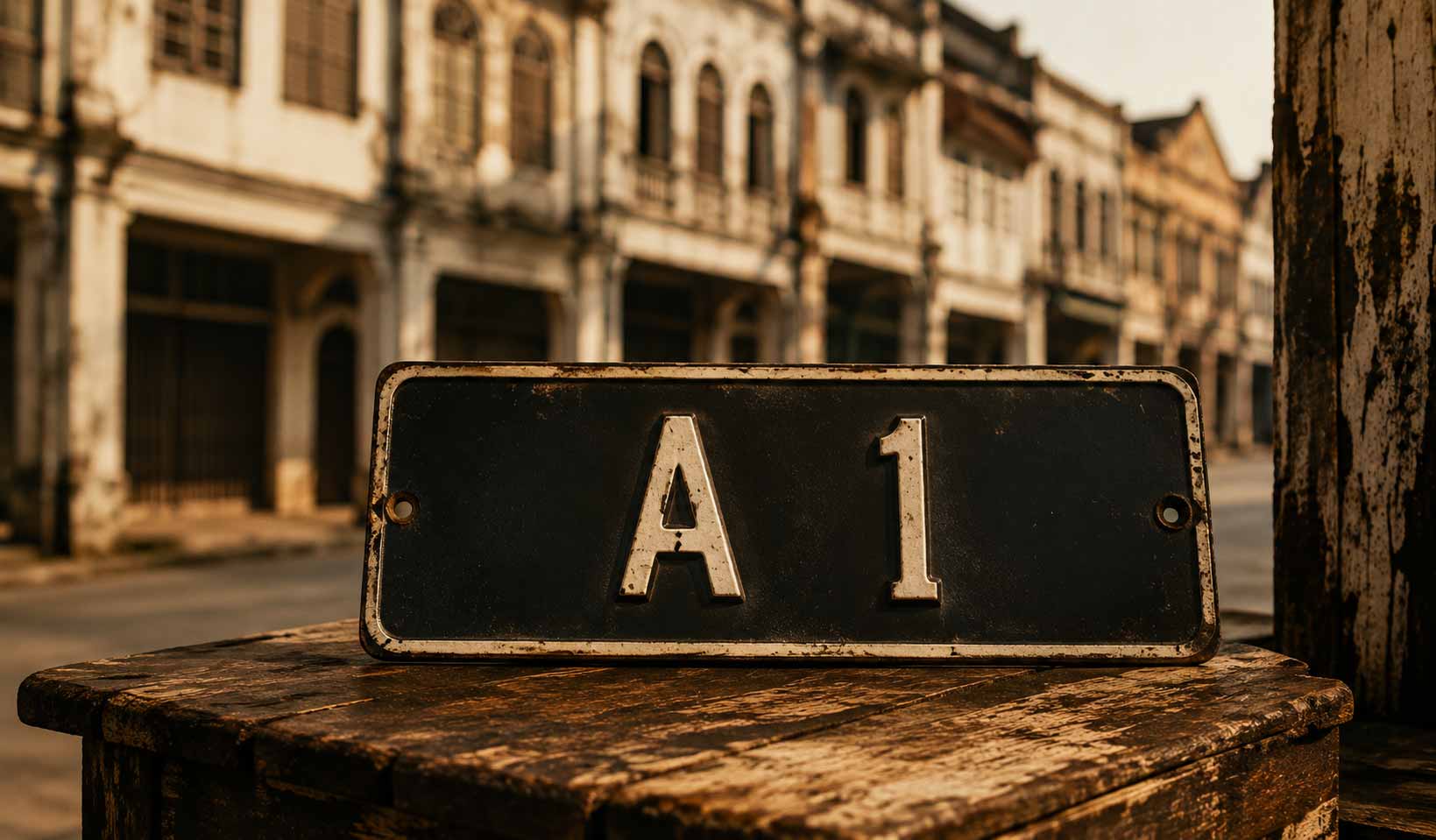
Quick answer: The popular story about Perak A plate Malaysia registrations — that Perak got the letter “A” because it was home to the first car owner in the country — isn’t actually true. The real reason dates back to 1945, when the British Military Administration restarted vehicle registration after the war and assigned single letters to each state based on population size. Perak simply had the largest population among the Federated Malay States at the time, which is why it landed the first letter of the alphabet.
That’s the short version. Here’s the actual history, the myth that’s been repeated for decades, and who really held the first “A1” plate.
The Myth Almost Everyone Believes
Ask around and most people will tell you Perak A plate Malaysia registrations exist because Perak was the first state in the country to own a car. It’s a good story — tidy, logical, easy to remember. There’s just one problem: it’s not what actually happened.
The myth likely grew out of a real historical fact that got slightly twisted over time. Malaysia’s first car is widely believed to have been brought in by Eu Tong Sen, a tin baron based in Perak, back in 1902. Because Perak really was connected to one of the earliest cars in the country, and Perak really does carry the “A” prefix, the two facts got stitched together into a tidy explanation that sounds true but skips over what actually happened decades later.
Perak Number Plate History: What Really Happened in 1945
Before 1945, Perak vehicles didn’t carry an “A” at all — they were registered under “PK.” Penang, similarly, used “PG.” These double-letter codes worked fine until World War II disrupted everything, including vehicle registration systems across the region.
When the British Military Administration moved to restart Malaya’s registration system in 1945, they had a practical problem to solve: the existing double-letter codes were creating confusion between plates from Singapore, Selangor, Perak, and Penang. Rather than continue patching an increasingly messy system, they made a clean break and assigned each state a single letter instead. For readers who want to see the original reporting, The Star’s history of Malaysian number plates covers this same wartime transition in more detail.
That’s the real turning point in Perak number plate history — not a “first car” milestone, but a wartime administrative reset that happened to land Perak at the front of the alphabet. If you’re curious how other states ended up with their own prefixes around this same period, our piece on Johor’s J plate history covers a similar story from a different corner of the peninsula.
Why “A” Specifically Went to Perak
The letter assignments weren’t random, and they weren’t based on which state got cars first either. According to historical records, the order actually reflected population size among the Federated Malay States at the time. Perak had the largest population, so it received “A.” Selangor came next with “B,” followed by Pahang with “C,” and Kelantan with “D.” The pattern held as more states formalised their own systems in the years that followed.
This population-based logic is a detail that rarely makes it into the popular retelling, probably because “biggest population wins first letter” is a lot less exciting than “first car owner gets the honour.” But it’s the version backed by the historical record.
A Number Plate Malaysia Collectors Should Know: Who Actually Held “A1”?
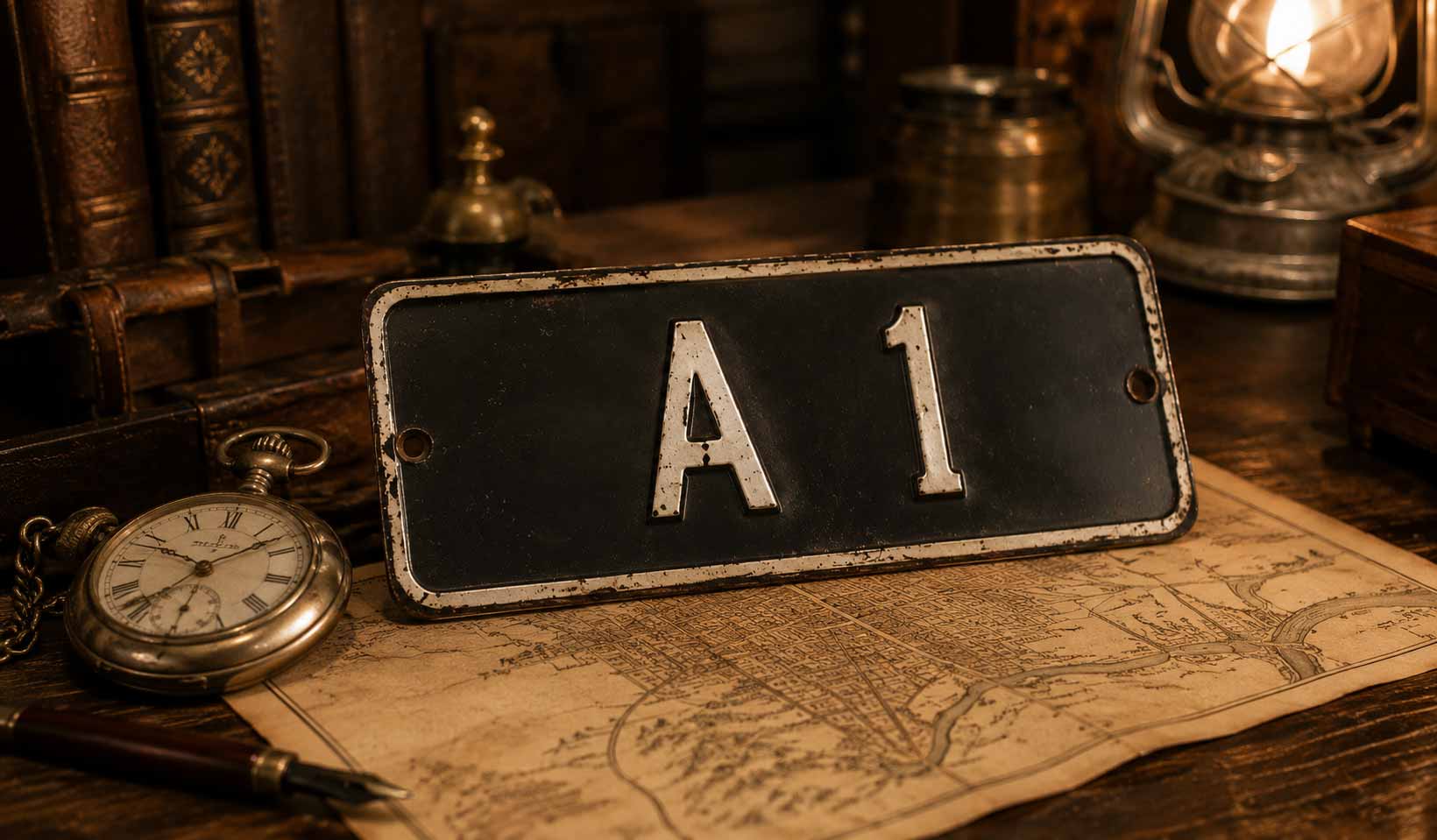
Here’s where the story gets an unexpected twist. Many assume Eu Tong Sen — the tin baron connected to Malaysia’s first car — must have held the coveted “A1” plate once the new system rolled out. He didn’t. According to reporting from WapCar, the actual holder of A1 was Claude Henry Labrooy, a British architect who received the honour because of his significant contribution to Ipoh’s development.
It’s a reminder that a lot of number plate mythology in Malaysia sounds plausible on the surface but doesn’t hold up once you trace it back to actual records — which is exactly why any A number plate Malaysia enthusiast digging into prefix history is bound to run into a few of these popular-but-incorrect stories along the way.
From Double Letters to Single Letters: The 1948 Standardisation
The shift didn’t stop at simply assigning new letters. In 1948, authorities required all the old double-letter plates to be converted to the new single-letter format entirely — so “PK 1234” became “A 1234,” and Johor’s “JB 1234” became simply “J 1234.” This standardisation is why you won’t find any surviving double-letter state codes on the road today; the format was phased out completely once the single-letter system took hold.
Perak’s “A” Prefix Today
Nearly eight decades later, the A prefix is still going strong on Perak’s roads, having long since moved past the original three-character format into the extended combinations JPJ uses to keep up with demand. If you’re chasing a specific A-series combination through auction, our guide on JPJeBid bidding rules walks through how the current system works, prefix included.
Final Word on Perak’s A Plate
The story of Perak A plate Malaysia registrations is a good example of how history and folklore blur together over generations — the “first car owner” version is more fun to repeat, but the truth is a bit more interesting once you know it: a population-based administrative decision made in the chaos of post-war reorganisation, not a reward for automotive pioneering. Next time someone repeats the old myth, you’ll have the real story ready.
Why Does Perak’s Number Plate Start With “A”? The Truth Behind Malaysia’s Oldest Prefix
Quick answer: The popular story about Perak A plate Malaysia registrations — that Perak got the letter “A” because it was home to the first car owner in the country — isn’t actually true. The real reason dates back to 1945, when the British Military Administration restarted vehicle registration after the war and assigned single letters to each state based on population size. Perak simply had the largest population among the Federated Malay States at the time, which is why it landed the first letter of the alphabet.
That’s the short version. Here’s the actual history, the myth that’s been repeated for decades, and who really held the first “A1” plate.
The Myth Almost Everyone Believes
Ask around and most people will tell you Perak A plate Malaysia registrations exist because Perak was the first state in the country to own a car. It’s a good story — tidy, logical, easy to remember. There’s just one problem: it’s not what actually happened.
The myth likely grew out of a real historical fact that got slightly twisted over time. Malaysia’s first car is widely believed to have been brought in by Eu Tong Sen, a tin baron based in Perak, back in 1902. Because Perak really was connected to one of the earliest cars in the country, and Perak really does carry the “A” prefix, the two facts got stitched together into a tidy explanation that sounds true but skips over what actually happened decades later.
Perak Number Plate History: What Really Happened in 1945
Before 1945, Perak vehicles didn’t carry an “A” at all — they were registered under “PK.” Penang, similarly, used “PG.” These double-letter codes worked fine until World War II disrupted everything, including vehicle registration systems across the region.
When the British Military Administration moved to restart Malaya’s registration system in 1945, they had a practical problem to solve: the existing double-letter codes were creating confusion between plates from Singapore, Selangor, Perak, and Penang. Rather than continue patching an increasingly messy system, they made a clean break and assigned each state a single letter instead. For readers who want to see the original reporting, The Star’s history of Malaysian number plates covers this same wartime transition in more detail.
That’s the real turning point in Perak number plate history — not a “first car” milestone, but a wartime administrative reset that happened to land Perak at the front of the alphabet. If you’re curious how other states ended up with their own prefixes around this same period, our piece on Johor’s J plate history covers a similar story from a different corner of the peninsula.
Why “A” Specifically Went to Perak
The letter assignments weren’t random, and they weren’t based on which state got cars first either. According to historical records, the order actually reflected population size among the Federated Malay States at the time. Perak had the largest population, so it received “A.” Selangor came next with “B,” followed by Pahang with “C,” and Kelantan with “D.” The pattern held as more states formalised their own systems in the years that followed.
This population-based logic is a detail that rarely makes it into the popular retelling, probably because “biggest population wins first letter” is a lot less exciting than “first car owner gets the honour.” But it’s the version backed by the historical record.
A Number Plate Malaysia Collectors Should Know: Who Actually Held “A1”?
Here’s where the story gets an unexpected twist. Many assume Eu Tong Sen — the tin baron connected to Malaysia’s first car — must have held the coveted “A1” plate once the new system rolled out. He didn’t. According to reporting from WapCar, the actual holder of A1 was Claude Henry Labrooy, a British architect who received the honour because of his significant contribution to Ipoh’s development.
It’s a reminder that a lot of number plate mythology in Malaysia sounds plausible on the surface but doesn’t hold up once you trace it back to actual records — which is exactly why any A number plate Malaysia enthusiast digging into prefix history is bound to run into a few of these popular-but-incorrect stories along the way.
From Double Letters to Single Letters: The 1948 Standardisation
The shift didn’t stop at simply assigning new letters. In 1948, authorities required all the old double-letter plates to be converted to the new single-letter format entirely — so “PK 1234” became “A 1234,” and Johor’s “JB 1234” became simply “J 1234.” This standardisation is why you won’t find any surviving double-letter state codes on the road today; the format was phased out completely once the single-letter system took hold.
Perak’s “A” Prefix Today
Nearly eight decades later, the A prefix is still going strong on Perak’s roads, having long since moved past the original three-character format into the extended combinations JPJ uses to keep up with demand. If you’re chasing a specific A-series combination through auction, our guide on JPJeBid bidding rules walks through how the current system works, prefix included.
Final Word on Perak’s A Plate
The story of Perak A plate Malaysia registrations is a good example of how history and folklore blur together over generations — the “first car owner” version is more fun to repeat, but the truth is a bit more interesting once you know it: a population-based administrative decision made in the chaos of post-war reorganisation, not a reward for automotive pioneering. Next time someone repeats the old myth, you’ll have the real story ready.